

10 Post-Cataract Surgery Activities to Avoid
If the symptoms of cataracts have compromised your vision, surgery is the most effective way to restore your quality of life. Cataract surgery is one of the most commonly performed surgeries in the US, with an impressive safety record and low rate of complications.
To ensure you achieve the best results from your cataract surgery, protecting your eyes during recovery is crucial. Keep reading to learn more about ten activities to avoid as you recover from cataract surgery!
1. Rubbing Your Eye

Your eyes may feel itchy or irritated after your surgery, but you should resist the urge to rub them. Rubbing your eyes after cataract surgery can place pressure on the healing incision, increase the risk of infection, or dislocate the newly implanted artificial intraocular lens (IOL).
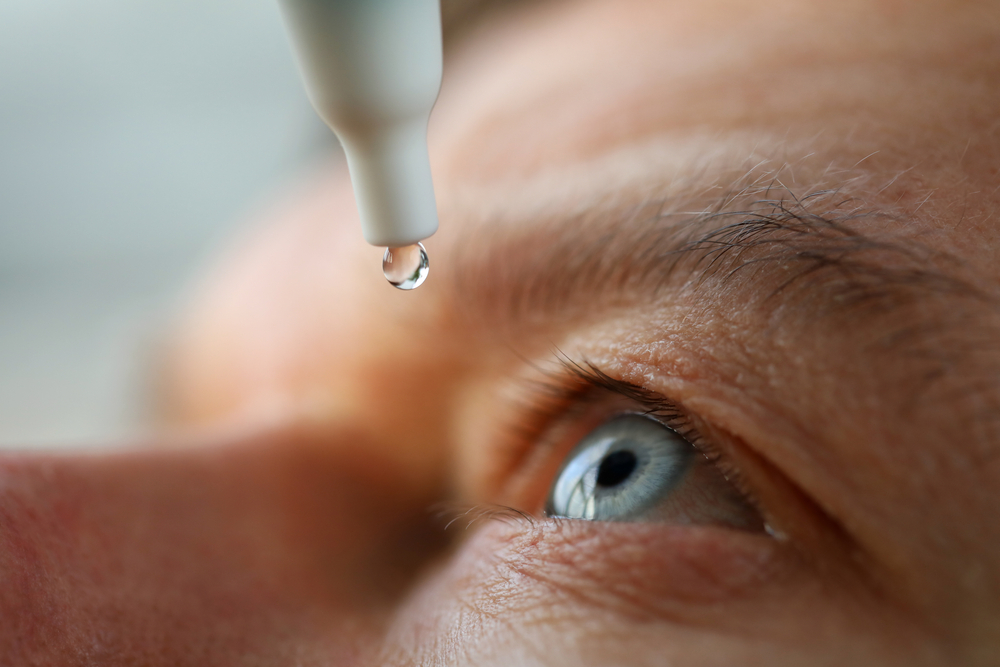
Instead of rubbing your eyes, use prescription or over-the-counter lubricating drops, as recommended by your ophthalmologist, to relieve discomfort. You should also wear a protective shield at night to prevent accidentally rubbing your eyes as you sleep.
2. Lifting Heavy Objects
Strenuous lifting increases pressure inside the eyes, which can slow healing or cause complications. Cataract surgery patients are usually advised to avoid lifting anything heavier than 10-15 pounds during the early recovery period.
You should avoid activities like carrying groceries or moving furniture until your eye surgeon or ophthalmologist gives the go-ahead. While light household tasks are usually safe, you shouldn’t try to do anything you think might cause eye strain.
3. Bending Over Too Far
Bending at the waist can increase eye pressure, especially when done repeatedly. Sudden increases in intraocular pressure can stress the surgical site and slow the recovery process.
If you need to pick something up, bend at your knees, not your waist. To protect your healing eyes, try to keep your head above your heart.
4. Driving
The temporary side effects of cataract surgery, such as blurry or hazy vision, make it unsafe to drive. It can take some time for your vision to clear and stabilize after surgery.
You will need to wait to drive until cleared to do so by your eye surgeon or ophthalmologist. While every patient is different, most are usually okayed to drive within a week or so.
5. Swimming or Using Hot Tubs
The water in pools, hot tubs, lakes, and the ocean can contain bacteria and other microorganisms that can easily cause eye infections. Even chemically-treated water is risky during the first few weeks after cataract surgery.
You should refrain from swimming and avoid submerging your head in water until your eye surgeon or ophthalmologist says it is safe. Instead, stick to short showers and take care to keep water out of your eyes.
6. Wearing Eye Makeup
Mascara, eyeliner, and eyeshadow can all introduce bacteria to the eye or flake into the healing incision. Removing makeup involves rubbing, which should also be avoided post-cataract surgery.
Most eye care providers recommend waiting at least one to two weeks before resuming the use of eye makeup. When you start wearing makeup again, you’ll need to replace your old products with new ones to minimize the risk of infection.
7. Treating Existing Eye Conditions

You should avoid using warm compresses and other treatments for existing eye conditions for at least a week after cataract surgery. These treatments can put pressure on your healing eye and release bacteria into the tear film, increasing the risk of infection.
However, if you have glaucoma, you should continue taking all glaucoma drops at their already established schedule unless specifically instructed otherwise by your eye surgeon or ophthalmologist. Maintaining proper intraocular pressure is crucial for protecting your optic nerve.
Talk to your eye surgeon or ophthalmologist about what you can do to treat existing eye conditions after your cataract surgery. They can recommend alternate treatments to relieve symptoms until it's safe to resume your usual treatments.
8. Strenuous Exercise
Engaging in strenuous exercise, such as running or playing pickleball, or participating in contact sports like basketball or soccer, involves jarring movements that can affect your eyes as they heal. Additionally, sweat dripping into the eyes can introduce harmful bacteria.
While gentle walking is usually encouraged to promote healing, strenuous exercise should be avoided for at least one to two weeks. Your eye surgeon or ophthalmologist will advise you on when it’s safe to return to your regular exercise routine.
9. Exposure to Dusty or Dirty Environments
-1.jpg)
Visiting a construction site, gardening, or even deep cleaning your home can expose your eyes to dust, dirt, and debris. These particles can increase the risk of irritation and infection while your eyes are healing.
Ideally, you should avoid dusty or dirty environments altogether until your eye surgeon or ophthalmologist confirms that your eye has healed enough to handle exposure. If you must be in such environments, you should be sure to wear protective glasses.
10. Getting New Glasses
For most patients, it typically takes two to three weeks for vision to stabilize after cataract surgery. While your vision stabilizes, using an inexpensive pair of non-prescription reading glasses is acceptable and won’t harm your eyes, even if the strength isn’t perfect.
Your ophthalmologist will usually wait to test your eyes for a new prescription, as your vision may have changed depending on the IOL you chose. Patients who opt for a premium or enhanced lens may not need glasses or contact lenses at all after cataract surgery.
Cataract surgery can restore your clear vision, but successful recovery requires patience and careful attention to your eye care provider’s instructions. By avoiding the ten activities listed above, you give your eyes the best chance to safely heal for the best possible vision outcome.
Do you want to learn more about cataract surgery recovery? Schedule an appointment at Premier Eye Care of Eastern Idaho in Idaho Falls, ID, today!


