

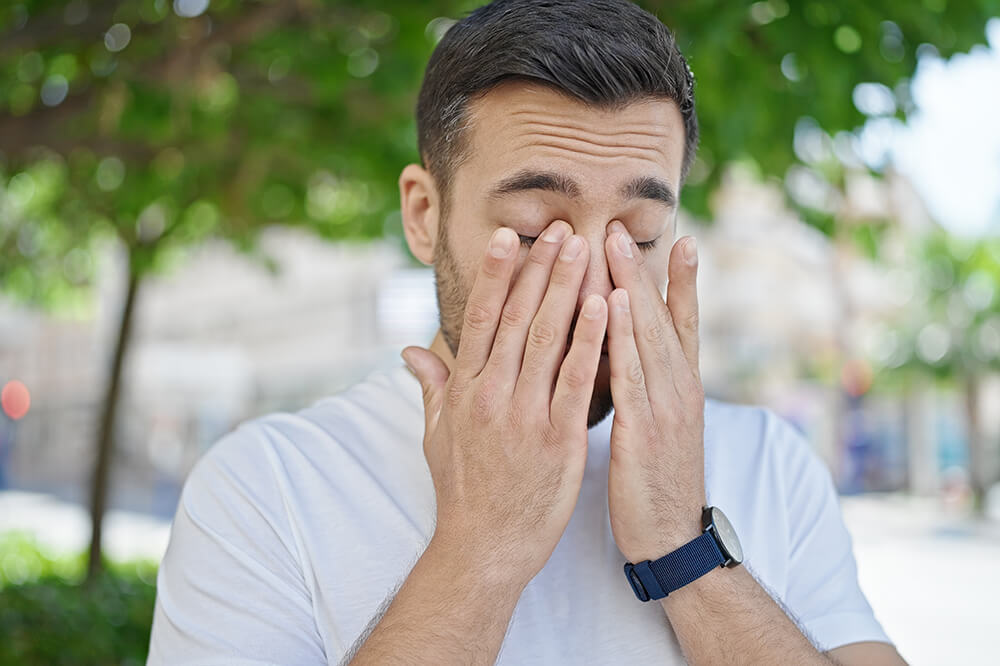
8 Tips for Treating Eye Allergies At Home
The symptoms of eye allergies can affect the clarity and comfort of your vision and impact your overall quality of life. However, there are steps you can take to find relief! Keep reading to learn more about eye allergies and discover eight of the best tips for treating eye allergies at home.
What Causes Eye Allergies?
Allergies, including eye allergies, are the immune system’s response to contact with an allergen. When the eyes come into contact with an allergen, it triggers the release of histamines, natural compounds that signal the body to defend itself against the allergen.
The release of histamines in response to allergens is what triggers bothersome eye allergy symptoms. These symptoms can include redness, itchiness, watery eyes, a burning feeling, and swollen eyelids.
Allergies can be seasonal, lasting only a short time at certain times of the year, or perennial, meaning they affect the eyes year-round. Seasonal allergies are often caused by outdoor allergens, such as tree, grass, and weed pollen, while perennial allergies are more likely to be triggered by indoor allergens, including dust, pet dander, and mold spores.
10 Tips for Treating Eye Allergies at Home
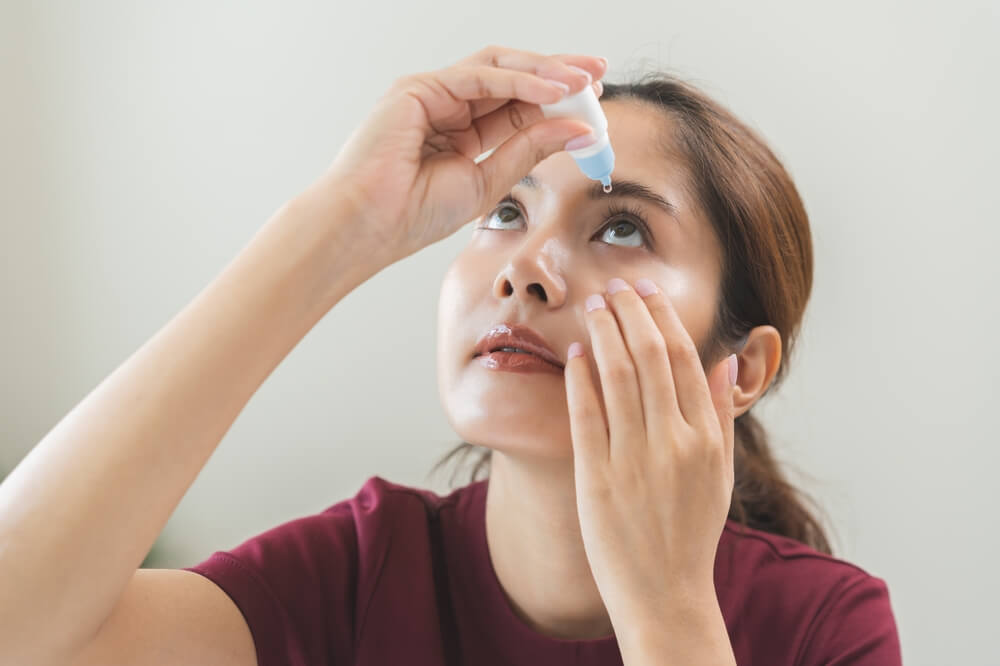
If your eye allergy symptoms are mild or moderate, they can often be managed at home with over-the-counter treatments and consistent care. Here are eight tips for treating eye allergy symptoms at home:
1. Cool Compresses
Cool compresses help alleviate eye allergy symptoms in two ways: they tighten blood vessels, which soothes irritation and itchiness, and they reduce redness and inflammation, including eyelid puffiness.
2. Lubricating Eye Drops
Lubricating eye drops can help relieve the symptoms of eye allergies by keeping your eyes moist, reducing itchiness, and burning. For more severe symptoms, they are also available as a gel or ointment.
3. Allergy Eye Drops
Allergy eye drops contain antihistamines that stop allergic reactions in the eye. They are often most effective at targeting itchiness, redness, and swelling caused by allergens.
4. Saline Eye Flushes
Sterile saline eye flushes can help rinse allergen particles from the eye, relieving irritation. A saline flush can also be used as a preventive treatment to prevent eye allergy symptoms after you have been exposed to allergens.
5. Warm Compresses
If you have dry eyes, it can make your eye allergy symptoms worse. Using a warm compress can help open blocked oil glands along the lash line and soothe eye irritation and redness.
6. Avoid Rubbing Your Eyes
While rubbing your eyes may provide some momentary relief, it can cause the release of more histamines and worsen symptoms. Finding alternative means of relief, such as eye drops or compresses, is more likely to provide long-lasting eye comfort.
7. Reduce Contact Lens Wear
If you wear contacts and suffer from seasonal eye allergies, taking a break from lenses can significantly improve the comfort of your vision. Wearing your glasses for a while can allow irritated eyes to heal and prevent further symptoms.
8. Keep Your Eyelids Clean
Gently cleansing your eyelids after you have been outdoors and before you go to bed can help remove any allergens that may have accumulated on your lids and in your lashes. A soft, damp cloth is best, along with a mild cleanser that won’t further irritate your eyes.
Creating an Allergen-Free Environment at Home
While there is little you can do to control your exposure to allergens outdoors, there are things you can do to create an allergen-free environment in your home. These include:
- Using air filters with HEPA (high-efficiency particulate air) filtration to reduce airborne allergens indoors. Concentrate air filter placement in the rooms where you spend the most time, such as the living room and bedrooms.
- Keep windows closed during times of the year when pollen counts are highest. Running an air conditioner with a clean filter can help block pollen spores and improve indoor air quality.
- Wash bedding weekly in hot water to eliminate dust mites and other allergens that can accumulate over time. Pillowcases should be changed more frequently to reduce additional exposure to allergens while you sleep.
- Vacuum often with a HEPA-filter vacuum to trap fine allergen particulates. Allergens can easily build up in carpets, window treatments, and upholstered furnishings.
- Regularly groom and bathe your pets to minimize fur and pet dander in your home. Give pets their own special beds or baskets instead of allowing them onto your couch or bed.
When Home Treatment of Eye Allergies Isn't Enough
If your eye allergy symptoms don’t respond to home treatments and lifestyle adjustments, you should schedule an eye exam with your eye care provider. A comprehensive exam can help ensure that your symptoms aren’t due to another eye condition, such as dry eye disease or an infection.
If you have persistent eye allergy symptoms that haven’t responded to other treatments, your eye care provider may recommend prescription-strength antihistamine drops or short-term anti-inflammatory medications.
Many people with eye allergies can find relief at home by following the tips listed above. However, if persistent symptoms interfere with the clarity and comfort of your vision, your eye care provider can offer advanced treatments for eye allergy symptoms.
Are you experiencing eye allergies? Schedule an appointment at Premier Eye Care of Eastern Idaho in Idaho Falls, ID, today!


