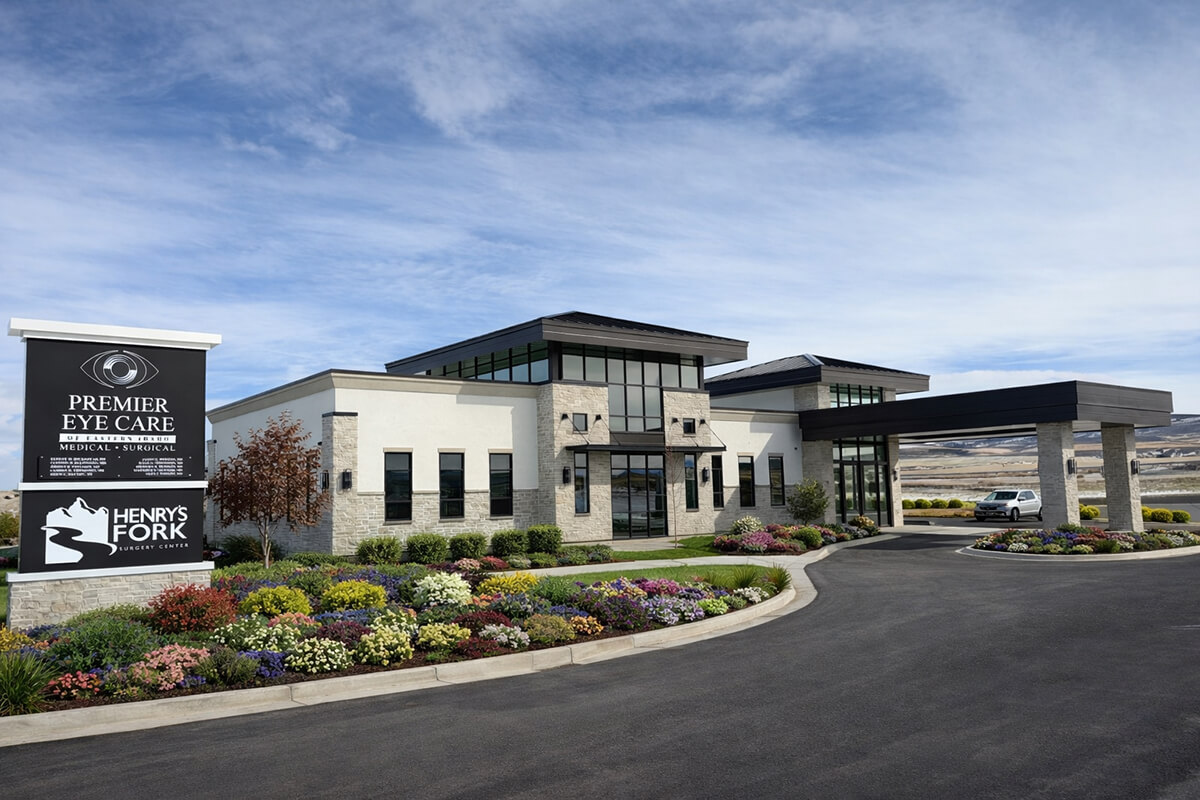
Idaho Falls, ID


Know what to expect from your first comprehensive eye exam.
Still have questions?

A comprehensive eye exam allows us to assess the overall health of your eyes and develop a personalized care plan tailored to your specific needs. The exam includes a series of questions and tests designed to gather detailed information about the various functions and structures of your eyes. This brief video will guide you through the entire process, ensuring you know exactly what to expect.
A comprehensive eye exam is one of the most effective ways to catch problems early, often before you notice anything is wrong.
Your visit typically begins with a few questions about your vision, your overall health, and any concerns you've been having. From there, we move through a series of quick, painless tests.
Your eye doctor or technician will check how clearly you see at different distances, measure your current prescription if you wear glasses or contacts, and test how well your eyes work together. Your eye doctor will also examine the front and back of your eyes to look at structures like the cornea, lens, retina, and optic nerve.
In many cases, we'll measure the pressure inside your eyes and may use drops to widen your pupils so we can get a clearer view of the health of your eyes. Once everything is complete, we'll walk you through what we found and recommend the next steps that make the most sense for you.
The right schedule depends on your age, your vision, and your overall health.
As a general guideline, adults with no known issues should have a comprehensive eye exam every one to two years. Children, older adults, contact lens wearers, and anyone managing a condition like diabetes or high blood pressure often benefit from more frequent visits.
Even if your vision seems fine, regular exams are important because many eye conditions develop slowly and without obvious symptoms. The best overall strategy is to follow the timeline your eye doctor recommends based on your individual needs.
A comprehensive eye exam is one of the most effective ways to catch problems early, often before you notice anything is wrong.
During your exam, your eye doctor can detect common vision concerns such as nearsightedness, farsightedness, and astigmatism, as well as more serious eye conditions like glaucoma, cataracts, macular degeneration, diabetic eye disease, and dry eye.
Because the eyes offer a clear view of your blood vessels and nerves, an exam can also reveal early signs of broader health issues, including diabetes, high blood pressure, and high cholesterol. Catching these conditions early gives you the best opportunity to protect both your vision and your overall health.


Right off of Main Street West of HWY-20 across from Valley Wide Country Store & Blister's BBQ.