

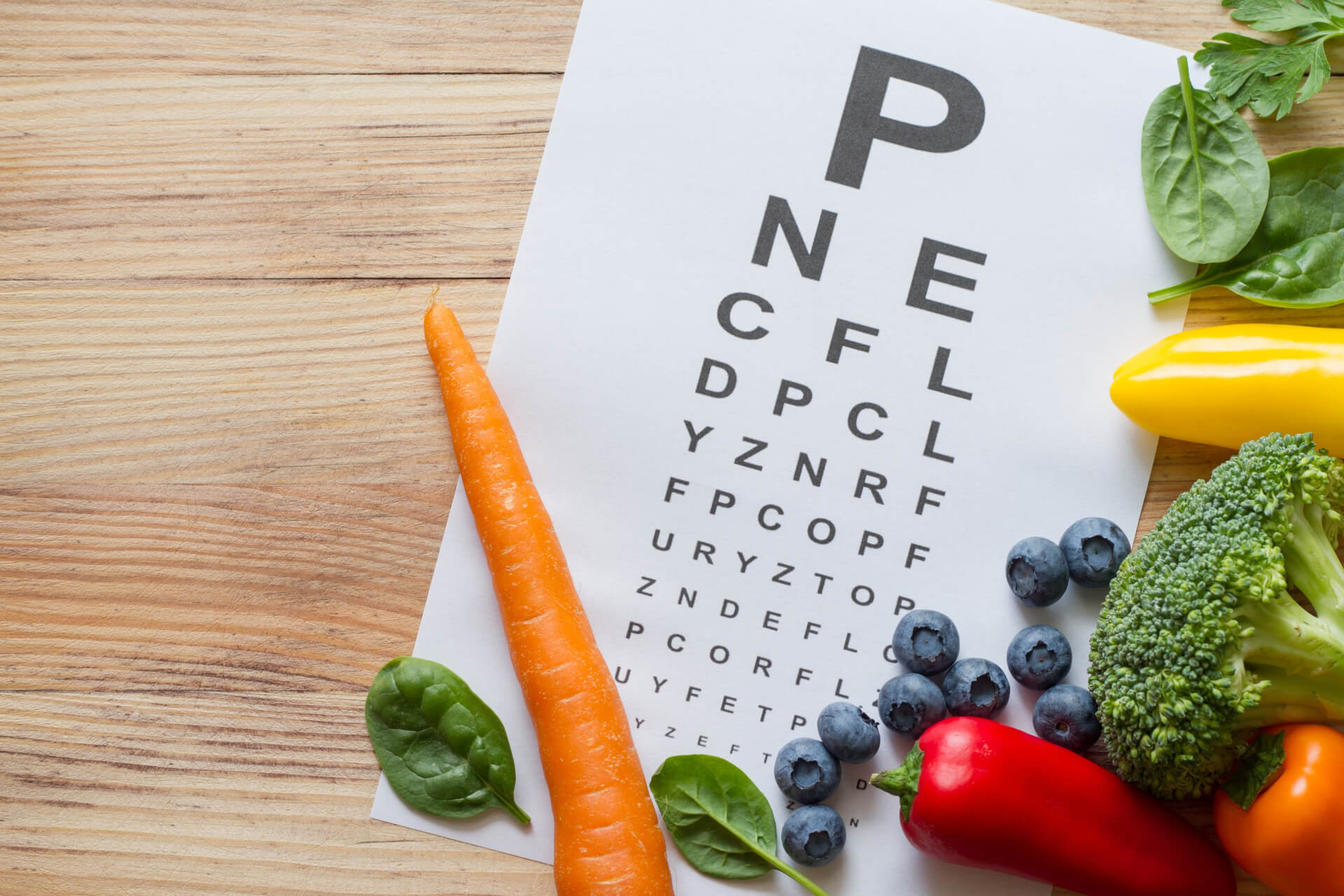
Can Certain Foods Prevent Cataracts?
Many patients, after hearing they are at risk for cataracts, ask the same question: is there something they can eat to slow things down?
The answer is more nuanced than a simple yes or no, but there is some science that says what you put on your plate genuinely influences how your eyes age, and certain nutrients appear to play a meaningful role in protecting the lens from the kind of damage that leads to cataracts.
How Do Cataracts Develop?
The eye's natural lens sits just behind the iris and is responsible for focusing light onto the retina so you can see clearly. In a healthy eye, this lens is transparent. Over time, proteins within the lens can begin to break down and clump together, forming cloudy areas that scatter or block incoming light. The result is the blurred, hazy vision that most people associate with cataracts.
Aging is the main driver of this process, but oxidative stress speeds it up considerably. Free radicals, which are unstable molecules created by sun exposure, poor diet, smoking, and other environmental factors, gradually wear down the proteins in the lens over the years. This buildup of damage clouds the lens long before any symptoms appear. That's where diet comes in. Antioxidants help neutralize free radicals, and the lens relies on them to stay healthy.
The lens has no direct blood supply. It relies entirely on the fluid surrounding it (called aqueous humor) for nutrients and waste removal. That dependence makes it especially sensitive to what the body has available, including the antioxidants circulating from the foods you eat. Still, even a healthy lens can change over time.
Nutrients Most Closely Linked to Lens Protection
Certain dietary nutrients consistently appear in the research on cataract prevention. Most are already present in a balanced diet, though many people do not consume them in adequate amounts.
Lutein and zeaxanthin are carotenoids found in high concentrations in the macula and lens. They act as a kind of internal filter against blue light and UV radiation, and they also function as antioxidants within the lens tissue itself. Leafy greens like spinach, kale, and collard greens are the richest dietary sources.
Vitamin C is the most abundant antioxidant found in the human lens. It helps maintain lens transparency by protecting against oxidative damage to lens proteins. Bell peppers, citrus fruits, strawberries, and broccoli are strong sources. The lens actively concentrates vitamin C to levels far higher than those in the blood.
Vitamin E is a fat-soluble antioxidant that protects the cell membranes of lens fibers. Almonds, sunflower seeds, hazelnuts, and vegetable oils supply meaningful amounts. Because the lens contains lipid-rich cell membranes, fat-soluble antioxidants like vitamin E are particularly relevant to its long-term structure.
Omega-3 fatty acids found in fatty fish like salmon and sardines, along with flaxseed and walnuts, help lower inflammation in the body and keep the tissues of the eye healthy. While their direct role in the lens is less studied than that of antioxidants, diets high in omega-3s have been associated with lower rates of several age-related eye conditions.
Foods and Habits That Work Against the Lens
Diet can go both ways. Some foods help protect the lens, while others can speed up the clouding process.
Foods that spike blood sugar, like refined carbs, sugary drinks, and heavily processed snacks, can drive up the kind of damage that wears down the lens over time. This link is especially clear in people with diabetes. High blood sugar leads to byproducts that build up in the lens and break down its proteins faster than normal. Patients managing diabetic eye disease are already more likely to develop cataracts earlier, and a diet that makes blood sugar harder to control adds to that risk.
Heavy alcohol use drains the body's supply of antioxidants and has been tied to more lens damage in large population studies. Smoking puts a huge amount of stress on the body, including the eyes, and is one of the most consistent risk factors for cataracts that people can actually do something about. When poor diet overlaps with these habits, the effects add up.
What a Healthy Diet Can and Cannot Do
Eating well can ease the stress on the lens and may slow cataracts down. For people in their 40s and 50s who haven't yet developed noticeable clouding, steady, healthy choices could make a real difference in how quickly cataracts progress over the years ahead.
What diet cannot do is reverse cataracts that have already formed or clear up a lens once its proteins have clumped together. No food, supplement, or eye drop will dissolve a cataract. Once a cataract starts getting in the way of everyday activities like driving, reading, or recognizing faces, cataract surgery is the only effective treatment.
The procedure replaces the clouded lens with a clear artificial one (called an intraocular lens, or IOL), and most patients notice a big improvement in their vision within just a few days. It helps to think of food as a way to protect your eyes, not a cure. Diet is one piece of a bigger picture, and it works best when you start early.
Monitoring Your Lens Health With Regular Eye Exams
Even the most nutrient-dense diet does not replace regular professional monitoring. Cataracts develop gradually, and most patients are not aware of how much their vision has changed until the clouding is already significant.
A comprehensive eye exam allows an ophthalmologist to examine the lens directly, detect early cataract formation, and track changes over time so you understand where your vision stands and what to watch for.
Concerned about your eye health and what you can do to protect it? Schedule an appointment at Premier Eye Care of Eastern Idaho in Idaho Falls, ID, today.


