

Can You Go Blind From Normal-Tension Glaucoma?
Glaucoma can develop without any of the warning signs you might expect, including the elevated eye pressure that doctors often check for. This form of the disease is called normal-tension glaucoma, and it harms the optic nerve even while your pressure readings stay in a healthy range. Because pressure is within a normal range, many patients who are diagnosed with normal-tension glaucoma wonder if they’re still at risk for vision loss.
Keep reading to learn more about normal-tension glaucoma, including how it damages the optic nerve, why it often goes unnoticed, and what you can do to keep it from stealing your vision.
What Is Normal-Tension Glaucoma?
Glaucoma is a group of eye conditions that damage the optic nerve, the cable of roughly a million fibers that carries visual information from the eye to the brain.
In the most familiar form, that damage is driven by high intraocular pressure, the fluid pressure inside the eye. Normal-tension glaucoma follows the same destructive path, with the same gradual loss of nerve fibers, except the pressure stays within the range doctors consider normal, usually under 21 millimeters of mercury.
The cause of the damage matters because it changes how the disease is found and treated. A patient with high-pressure glaucoma often raises a red flag at a routine screening simply because the pressure reading is elevated. A patient with normal-tension glaucoma can pass that same screening and still be losing nerve tissue. The optic nerve is being harmed even though the usual warning sign is absent, which is one reason this form of the disease often goes undetected longer.

Why Does Normal-Tension Glaucoma Happen Without High Pressure?
If pressure is normal, what is damaging the nerve?
Researchers point to a combination of factors, and blood flow tops the list. The optic nerve depends on a steady supply of oxygen-rich blood. When circulation to the nerve is poor, the tissue can be injured at pressure levels that would not bother a healthier eye. Conditions that affect blood flow throughout the body tend to show up in patients with this diagnosis.
Several risk factors are common, like low blood pressure, especially nighttime dips, which can starve the optic nerve of blood while you sleep. Migraines and a circulation pattern called Raynaud’s phenomenon suggest blood vessels constrict too easily. Sleep apnea, which repeatedly drops oxygen levels overnight, is common among these patients as well.
The same vascular strain that damages the retina in diabetic eye disease can also leave the optic nerve more vulnerable. Family history, older age, and being of Japanese or Korean descent also raise the odds.
In many cases, the nerve itself is simply more sensitive, unable to tolerate pressure that most eyes handle without trouble.
Can Normal-Tension Glaucoma Actually Cause Blindness?
Yes, left untreated, normal-tension glaucoma can progress to irreversible vision loss and, in the most advanced cases, blindness.
The optic nerve fibers that die do not grow back, and any vision lost to the disease is gone permanently.
However, blindness from normal-tension glaucoma is largely preventable in most cases. Vision loss develops slowly, often over years, which gives a diagnosed and treated patient a long window to intervene. The danger comes from the disease running unchecked and untreated.
Patients who are diagnosed early, follow their treatment plan, and keep their monitoring appointments rarely experience significant vision loss. The goal of treatment is to stop the damage before it reaches the central vision you rely on for reading, driving, and recognizing faces.
How Would I Know I Have Normal-Tension Glaucoma?
For most people, you would not know on your own until the disease was well advanced.
Normal-tension glaucoma is painless and often has no early symptoms. The damage begins in the peripheral vision, the outer edges of what you see, and the brain is very good at filling in those gaps. You can lose a significant amount of side vision without ever noticing a blank spot, because your other eye and your brain compensate for the loss.
By the time a patient notices something is wrong, often describing it as tunnel vision or bumping into objects on one side, a considerable amount of nerve tissue has usually been lost. This silent progression is exactly why the condition is so easy to miss and why waiting for symptoms is a poor strategy. The people most at risk are frequently those who feel their eyes are perfectly healthy.
How Is Normal-Tension Glaucoma Diagnosed?
Because the pressure reading alone will not reveal this disease, diagnosis depends on looking directly at the optic nerve and measuring how well it functions.
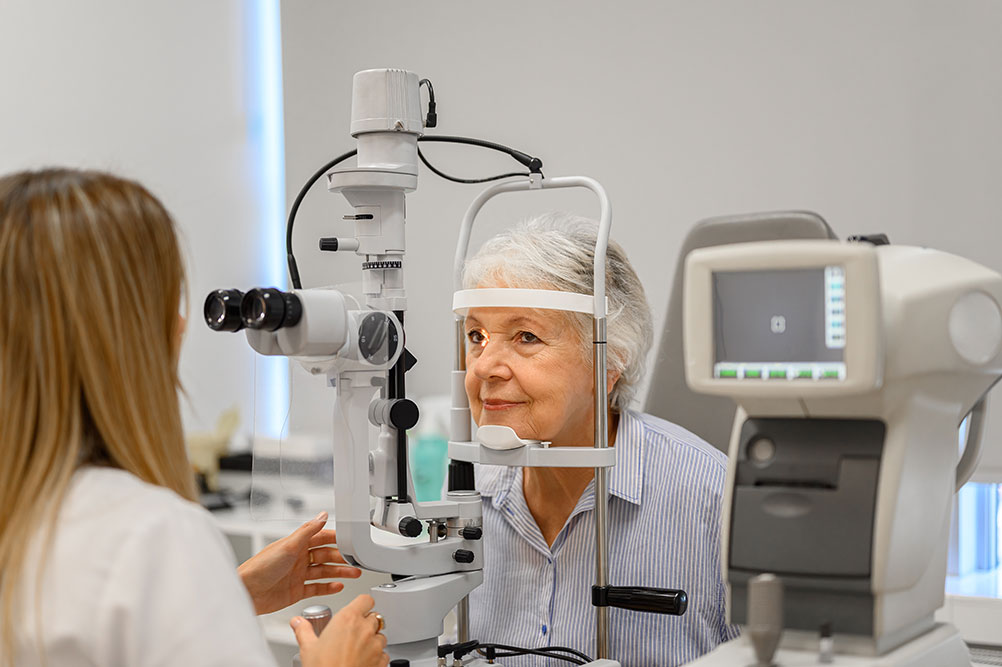
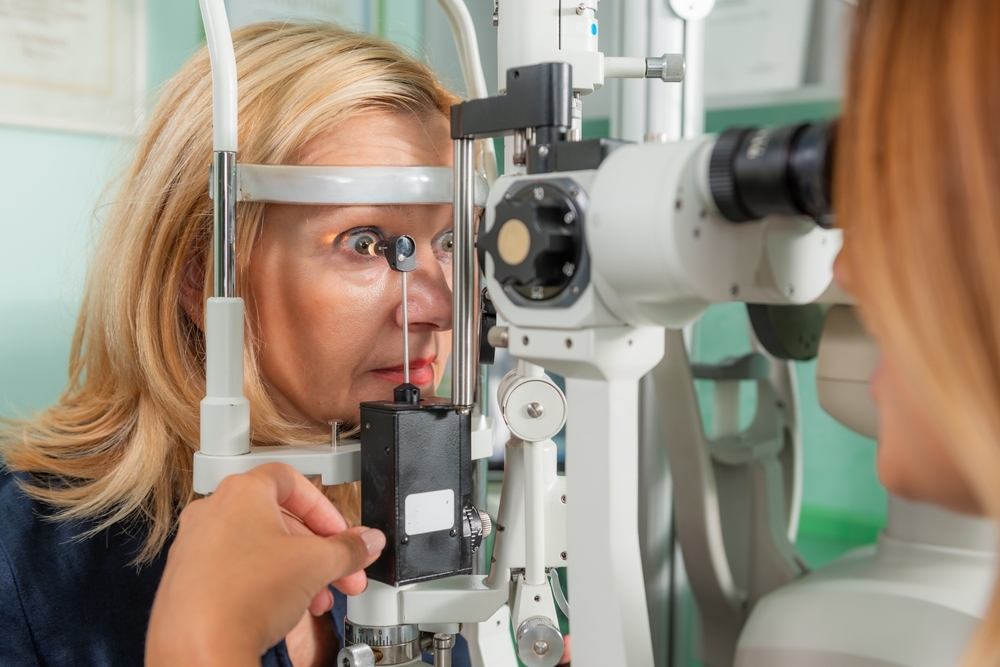
A thorough comprehensive eye exam is where these cases are usually caught, often before the patient has any complaints. During that visit, your doctor examines the optic nerve for the characteristic cupping and thinning that glaucoma produces.
Two tests do much of the work. Visual field testing maps your peripheral vision and can detect subtle blind spots long before you would notice them. Optical coherence tomography, or OCT, produces detailed cross-section images of the optic nerve and the nerve fiber layer, measuring their thickness down to the micron and tracking changes over time.
Pressure is still measured at every visit, and often at different times of day, because even normal-range pressure gives your doctor useful information for setting treatment targets. Repeat testing over months confirms whether the nerve is stable or slowly deteriorating.
Treatment and Protecting Your Vision
Treatment for normal-tension glaucoma focuses on lowering eye pressure even further, below what is technically normal, to reduce the mechanical strain on an already vulnerable nerve. Dropping pressure can still help slow the disease. The first step is usually prescription eye drops. When drops are not enough or are difficult to tolerate, laser procedures and surgical options can improve fluid drainage and bring pressure down.
The fellowship-trained glaucoma specialists at Premier Eye Care of Eastern Idaho tailor treatment to each patient and monitor the nerve closely to confirm the disease stays under control. Consistent follow-up is the single most important factor in keeping your vision for the long term.
Wondering whether your optic nerve is healthy even if your eye pressure is normal? Schedule an appointment at Premier Eye Care of Eastern Idaho in Idaho Falls, ID today.


