

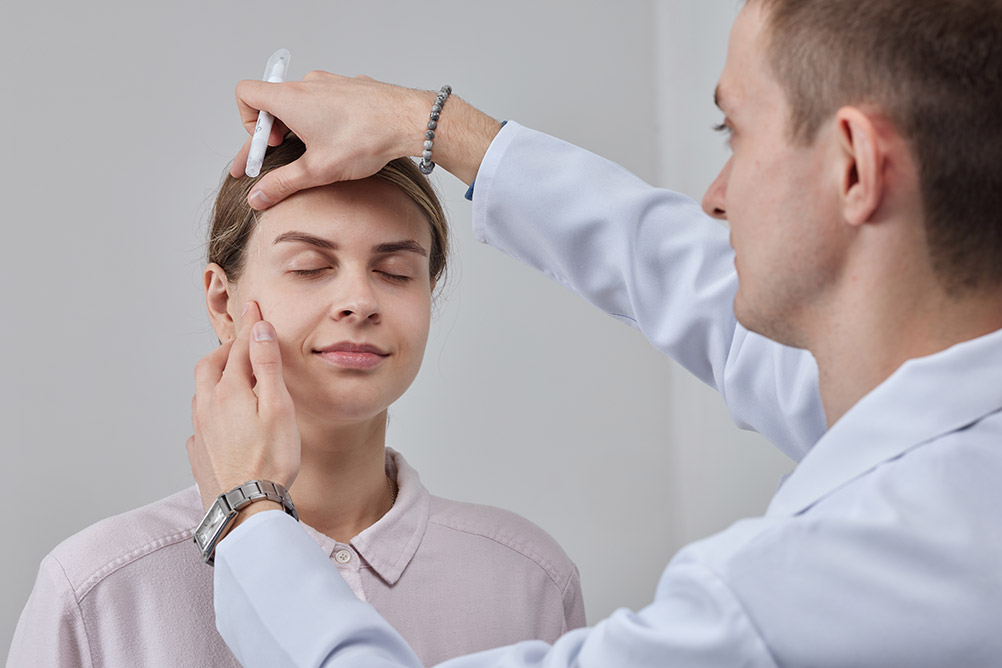
How to Tell if Your Eyelid Drooping is Medical or Cosmetic
At some point, you might have glanced in the mirror and noticed your eyelids looked different. Maybe they feel heavier by the end of the day, or a photo caught you looking more tired than you felt.
Eyelid drooping can mean two very different things: a medical condition that affects how well you see, or a cosmetic change tied to aging skin. Which one applies to you shapes what happens next, from the kind of doctor you see to whether insurance will cover treatment. Here is how to start telling the two apart.
Why Some Droopy Eyelids Are Medical and Others Are Cosmetic
Droopy eyelids are not always due to the same cause. Sometimes the eyelid itself has dropped, and sometimes the eyelid is right where it should be but the skin above it has started to sag. These two situations can look almost the same in the mirror, yet the drooping in each results from completely different issues.
When the eyelid itself sits too low due to laxity in the muscles, it is called ptosis. The small muscle that lifts your upper lid has weakened or slipped from its attachment, so the lid rests lower than it used to. If it drops far enough, it can cover part of your pupil and start cutting into your field of cision and effects what you can see. That is what makes it a medical issue rather than a cosmetic one.
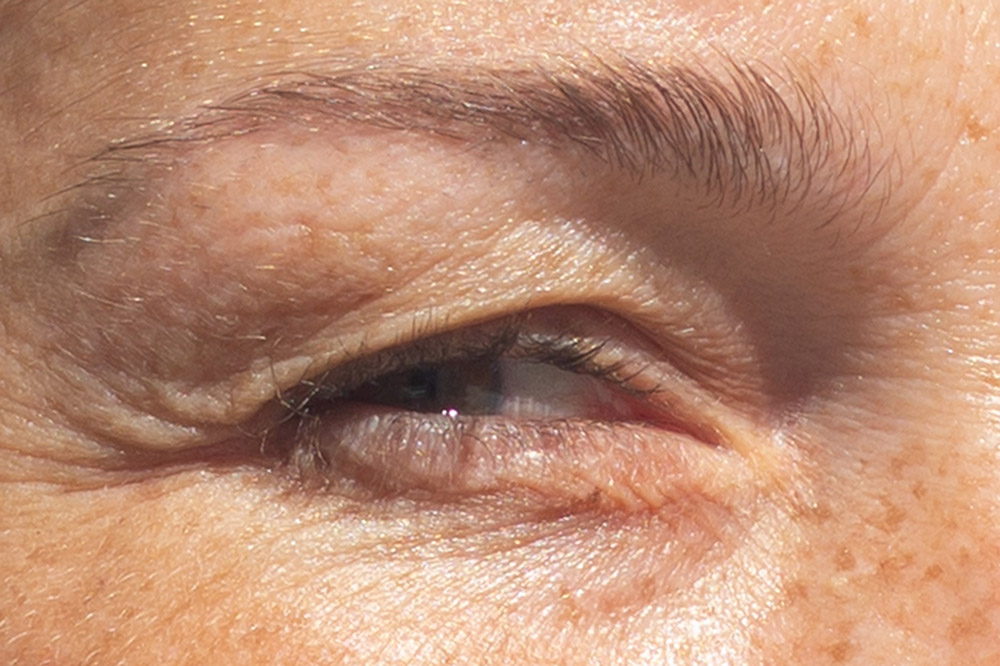
However, when the eyelid is in the right position but looks or feels heavy anyway, the culprit is usually extra skin. Over time the skin above the eye loosens and folds down over the crease, which creates that hooded, tired look. This is called dermatochalasis. A close cousin is a condition called pseudoptosis, where a drooping eyebrow pushes down on the lid and makes the eye look droopy even though the lid muscle is working fine. Neither of these conditions usually gets in the way of your vision, which is why they are typically classified as cosmetic issues.
The cause of eyelid drooping often determines which procedure is necessary to correct it, and sometimes it will require a combination of procedures. Because some of these procedures are done to fix what insurances deem medically necessary, they may be covered. Typically, eyelid surgery is classified as medically necessary if the procedure will clear a blocked field of vision, while surgery done purely to improve appearance typically is not. In this case, the procedure is considered cosmetic and often requires an out-of-pocket expense.
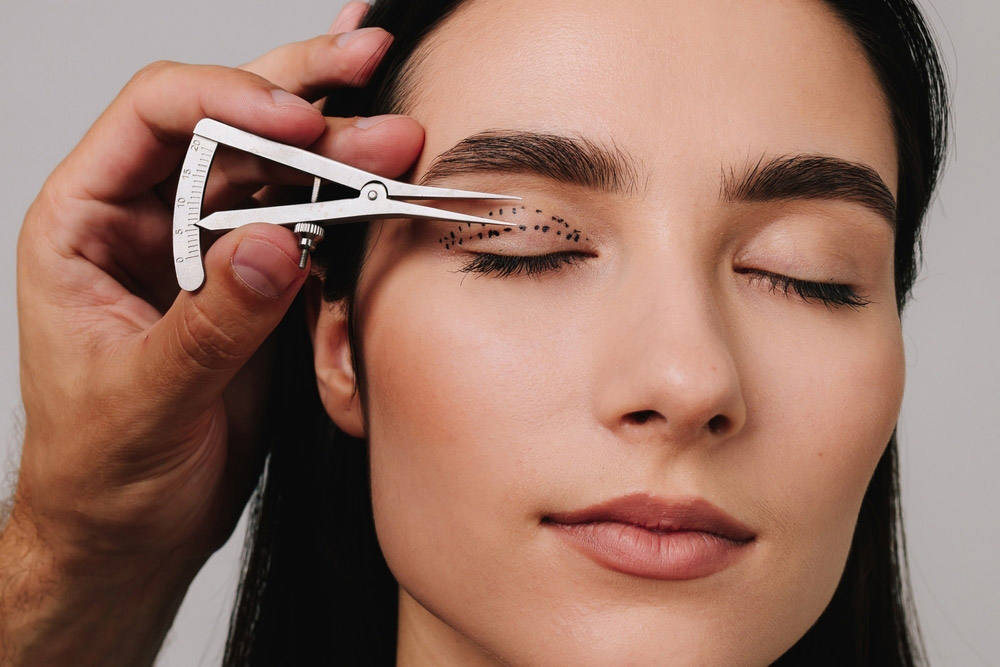
What Causes Eyelids to Droop?
Age is the most common factor behind any type of eyelid change. Over decades, the skin loses elasticity and the tendon anchoring the levator muscle to the eyelid can stretch or separate. Either process can happen alone or together.
Long-term contact lens wear and frequent eye rubbing are also linked to a weakened levator attachment, which is one reason ptosis sometimes shows up earlier in people who have worn contacts for many years.
Genetics plays a role as well. Some patients report that a parent or sibling had similar eyelid changes, and congenital ptosis can be present from birth due to an underdeveloped eyelid muscle.
Trauma, prior eye surgery, and certain neurological conditions such as myasthenia gravis or a cranial nerve palsy can also cause sudden or one-sided drooping.
Because these causes overlap so often, an evaluation from our team of eye specialists is usually the fastest way to find out what is driving your case.
When Eyelid Surgery Might Be Considered Medically Necessary
For eyelid surgery to be considered medical rather than cosmetic, the drooping has to be interfering with how you see or how your eyes function day to day. A few signs point in that direction.
The clearest one is a blocked upper field of vision. If the eyelid or the skin resting on it cuts off the top of what you can see, especially when you look straight ahead, that is a functional problem. Many patients notice it most while reading, driving, or watching television. Others catch themselves tilting their head back or raising their eyebrows to see clearly, which is the body's way of working around the obstruction.
That constant brow lifting comes with its own set of symptoms. Tired, achy eyes by late afternoon, forehead strain, and tension headaches are common complaints when the muscles above the eye are doing extra work all day. Loose upper lid skin can also rest on the lashes, which causes irritation, a heavy feeling, and sometimes trouble keeping the eyes open comfortably.
When these symptoms show up together with measurable field loss on an exam, the drooping is generally classified as a medical condition, and surgery to correct it can be covered by insurance.
Signs Your Drooping Eyelid Is Mostly Cosmetic
Cosmetic eyelid changes tend to follow a slower, more predictable pattern.
The change happens gradually over years, affects both eyes fairly evenly, and does not interfere with your field of vision. Patients usually describe the concern in terms of appearance, such as looking tired, older, or less alert than they feel, rather than any functional complaint like missing things in their peripheral vision or needing to tilt their head to see.
If your main frustration is how your eyes look in photos rather than how well you can see, your drooping is more likely tied to skin laxity than to a weakened eyelid muscle.
How a Consultation Tells the Difference
An consultation will settle the question with objective measurements and professional option.
During the exam, your doctor measures how far the eyelid margin sits relative to the pupil and how much of your visual field the eyelid blocks, checking both at rest and while you are looking straight ahead. These measurements distinguish true ptosis, where the eyelid margin itself is low, from dermatochalasis, where the margin is normal but overlying skin creates the appearance of drooping.
Your doctor will also ask about the timeline of the change. A slow, decades-long progression points toward age-related causes. Measurements plus history together allow an accurate diagnosis, which appearance alone cannot provide.
Treatment Options for Each Type
Once the cause is clear, treatment can be matched to it.
Functional ptosis is usually corrected with a procedure called ptosis repair. Cosmetic drooping from excess skin is typically addressed with blepharoplasty, which removes the loose skin and, when appropriate, some of the underlying fat that contributes to a heavy look.
Many patients have a combination of both issues, and an oculoplastic surgeon can correct the functional ptosis and refine the surrounding skin in the same procedure.
Noticed your eyelid drooping and unsure whether it is affecting your vision or just your appearance? Schedule an appointment at Premier Eye Care of Eastern Idaho in Idaho Falls, ID to find out.


